
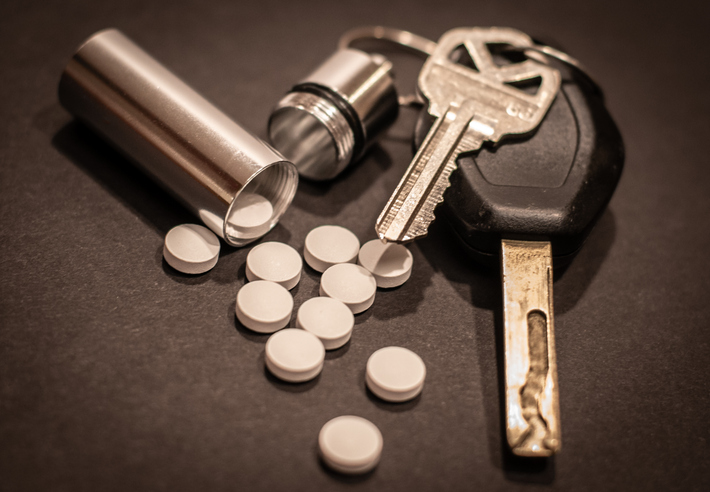
OVI on Prescription Medication: Legal Impairment Standards in Ohio
You take your prescribed medication exactly as directed. You feel fine driving. You haven’t had alcohol. But police pull you over, suspect impairment, and arrest you for OVI. Getting dinged for OVI on prescription medication can feel overwhelming, especially when your medication is legally prescribed and you want to feel understood and supported in your legal journey.
Ohio law considers impairment from any substance, including prescription medications, as grounds for OVI. Clarifying what behaviors or signs constitute impairment can help you understand the legal standards and better prepare your defense.
Ohio’s OVI Law and Prescription Medication
Ohio’s OVI law prohibits operating a vehicle while under the influence of any drug or combination of drugs that impair your ability to drive safely. This includes prescription medications. Heroin and cocaine aren’t the only substances that count. Ambien, pain medication, and anxiety pills can all trigger OVI charges.
The law specifically states “operating a vehicle while under the influence of alcohol, a drug of abuse, or a combination of them.” Prescription medications are “drugs” under this statute. Taking them as prescribed doesn’t create an exception.
This creates a trap for prescription users who follow their doctor’s instructions perfectly. The medication impairs your driving. Police detect impairment. You get arrested and charged. Your prescription becomes evidence against you.
How Police Detect Prescription Drug Impairment
Police assess impairment through observation and testing without needing to know you’re taking prescription medication. Recognizing signs such as bloodshot eyes, slow reactions, or poor coordination can help you feel more in control and reassured that these assessments have limitations you can challenge.
Field sobriety tests assess physical and cognitive ability, but they don’t differentiate between alcohol and medication impairment. Conditions like fatigue or medical issues can affect performance, and police may not recognize these factors. Understanding these limitations can help you challenge the reliability of impairment assessments.
Breathalyzers don’t detect prescription drugs. If your breath alcohol is below 0.08%, police might pursue drug-impaired driving charges instead. They send you for blood tests looking for drugs.
Drug Recognition Experts examine you and form opinions about impairment. They look at pupil size, heart rate, muscle tone, and coordination. They testify that drugs impaired you. They sometimes identify the drug category.
Blood Tests and Drug Identification
Blood tests detect prescription medications and their metabolites. Blood drawn within a few hours of driving shows what was in your system. But presence in the bloodstream doesn’t prove impairment at the time of driving.
Understanding when your medication reaches levels that impair driving can be crucial. Keeping records of your prescriptions, dosages, and timing can help demonstrate responsible use and support your defense if charged.
Defense attorneys often challenge blood tests by questioning how samples were handled, analyzed, or interpreted, providing reassurance that your legal rights include contesting inaccurate or unreliable results. Consulting a legal expert can help you navigate these defenses effectively.
Blood tests and expert testimony about therapeutic versus toxic levels can provide reassurance and confidence, showing that professionals can clarify medication effects and support your case, helping you feel more secure and hopeful in your legal defense.
Common Prescription Drugs That Trigger OVI Charges
Opioids like OxyContin, Vicodin, and morphine cause drowsiness and impaired judgment. These are frequently involved in OVI charges. Law enforcement specifically looks for opioid users on the road.
Benzodiazepines like Valium, Xanax, and Ativan cause sedation, dizziness, and impaired coordination. These medications impair driving ability. Police and prosecutors aggressively pursue OVI charges involving benzodiazepines.
Sleep aids like Ambien cause grogginess, poor coordination, and slowed reaction time. People can be dangerously impaired hours after taking these medications. Driving after taking Ambien sometimes results in OVI charges.
Antidepressants like sertraline and fluoxetine can cause dizziness and impaired coordination in some users. These charges are less common than opioid or benzodiazepine cases but still happen.
ADHD medications like Adderall can increase heart rate and cause nervousness. Police sometimes misinterpret these effects as drug intoxication. Charges are less common but possible.
The Difference Between Legal Use and Impairment
Many believe that taking medication exactly as prescribed automatically exempts them from impairment charges. Clarifying that impairment depends on actual driving ability, not just medication use, can help you better understand your rights and defenses.
This creates situations where careful patients face criminal charges. You take your Xanax as directed. You wait the recommended time before driving. You still get charged with OVI if police detect impairment.
The legal standard is simple impairment. Can you operate a vehicle safely? If not, you can be charged. It doesn’t matter why you’re impaired or whether you followed medical advice.
Drug Recognition Expert Testimony
Drug Recognition Experts testify that drugs impaired you. They describe the signs they observed. They offer opinions about which drug category caused the impairment. They claim expertise based on training and experience.
Drug Recognition Expert testimony is controversial, with studies questioning its reliability. Courts are scrutinizing DRE assessments more closely. An experienced attorney can challenge the qualifications and methods used by DREs, helping you understand your legal options and strengthen your defense against potentially unreliable evidence.
Defense attorneys can challenge DRE qualifications. They can question the reliability of drug recognition procedures. They can present expert testimony contradicting the DRE’s conclusions.
Defense Strategies for Prescription Drug OVI
Challenging the initial stop is priority one. Did police have reasonable suspicion to stop your vehicle? Weaving, speeding, or equipment violations justify stops. Merely being on the road doesn’t.
If the stop was unlawful, all evidence from that stop gets suppressed. The case collapses. This requires analyzing why police approached your vehicle and what they observed.
Challenging impairment testing matters enormously. Field sobriety tests have documented problems. Conditions affect performance. Physical limitations affect performance. Video of the tests often contradicts officer conclusions.
Challenging blood test results can empower you, as understanding how samples are handled and analyzed offers hope for contesting inaccurate or unreliable findings. Consulting a legal expert can help you navigate these defenses effectively.
Presenting your own expert testimony matters. Pharmacologists can testify about therapeutic levels. They can explain that the medication amounts found don’t necessarily impair driving. They can discuss individual tolerance and variation.
Medical Expert Testimony
Pharmacists can testify about how specific medications affect driving ability. They know onset times, duration, and side effects. They can explain that therapeutic use doesn’t cause dangerous impairment.
Doctors can testify about your specific prescriptions and their effects on you. They can explain why you were safe to drive despite taking medication. They can describe your tolerance and typical response.
Toxicologists can analyze blood results and explain what the numbers mean. They can testify that levels detected are consistent with therapeutic use. They can challenge interpretations suggesting dangerous impairment.
The Impact of Conviction
Conviction results in license suspension, criminal record, and driving restrictions. For many people, this eliminates the ability to work. If your job requires driving, conviction ends your employment.
Conviction affects professional licensing. Teachers, nurses, and others can lose licenses. Employment prospects suffer. Background checks reveal the conviction.
Conviction affects insurance. Rates skyrocket. Some insurers cancel coverage. Getting new insurance becomes difficult and expensive.
Why These Cases Are Defensible
Most prescription drug OVI cases are winnable because impairment is difficult to prove with only medication in your system. No breathalyzer reading. No obvious intoxication signs beyond normal medication effects. Just blood test results showing the presence of medication.
Defense requires good expert testimony. Pharmacologists explaining medication effects. Toxicologists explaining blood levels. Doctors testifying about your specific situation. These experts create reasonable doubt about impairment.
The prosecution must prove impairment beyond a reasonable doubt. Medication presence alone isn’t enough. They need evidence showing you actually couldn’t drive safely.
Taking Medication Safely
Before driving after taking new medication, ask your doctor and pharmacist about impairment risks. Some medications don’t affect driving. Others impair for hours. Some impair only initially.
Keep prescription bottles in your vehicle if police stop you. Explain that you’re taking medication as prescribed. This documentation helps with DUI investigations.
Consider alternative transportation if medication impairs you. Uber or a taxi, or asking friends for rides, avoids the legal risk.
Never mix medications or use alcohol with prescription drugs. This dramatically increases the risk of impairment and criminal liability.
Getting Legal Representation
Prescription drug OVI cases require attorneys who understand pharmacology and toxicology. You need someone who can effectively cross-examine Drug Recognition Experts. You need someone who will hire expert witnesses to challenge the prosecution’s experts.
Early representation helps preserve evidence. Police reports, dash camera footage, and medical records all matter. Getting your attorney involved quickly ensures that nothing is lost.
You shouldn’t be convicted of impaired driving for taking medicine your doctor prescribed. But without proper defense, it happens. Aggressive representation can result in acquittal.
Attorneys Bruce Taubman and Brian Taubman have successfully defended hundreds of clients against OVI charges throughout Northeast Ohio. They know how prosecutors build cases and what strategies work in court.
Contact us today for a free consultation to discuss your OVI charges and learn about your defense options. Visit our criminal defense blog for more legal insights.
Latest Posts
 by Brian Taubman
OVI on Prescription Medication: Legal Impairment Standards in Ohio
Facing OVI on prescription medication charges? Here's what you need to know to protect your rights.
by Brian TaubmanFacing Fake ID Charges in Ohio? Here’s What Happens Next
Do you think fake ID charges seem like a minor issue? Just a misdemeanor? Nothing serious? You're completely wrong.
by Brian TaubmanCleveland Music Festival Arrests: Drug Charges at Blossom and Other Venues
Concerts, outdoor events, and music festivals across Northeast Ohio all draw crowds. They also draw police looking to make drug arrests.